
244, 1st Main Rd, near Rajkumar, Kasturi Layout, Kaveri Nagar, Basaweshwara Nagar, Bengaluru, Karnataka 560079
08:00 am - 10:00 pm Monday-Saturday
244, 1st Main Rd, near Rajkumar, Kasturi Layout, Kaveri Nagar, Basaweshwara Nagar, Bengaluru, Karnataka 560079
08:00 am - 10:00 pm Monday-Saturday
COLD AGGLUTINATION TEST

Cold Agglutination Test

₹ 300 ₹ 500 30% OFF
Booking Assistance Online
Need help? Chat with us on WhatsApp
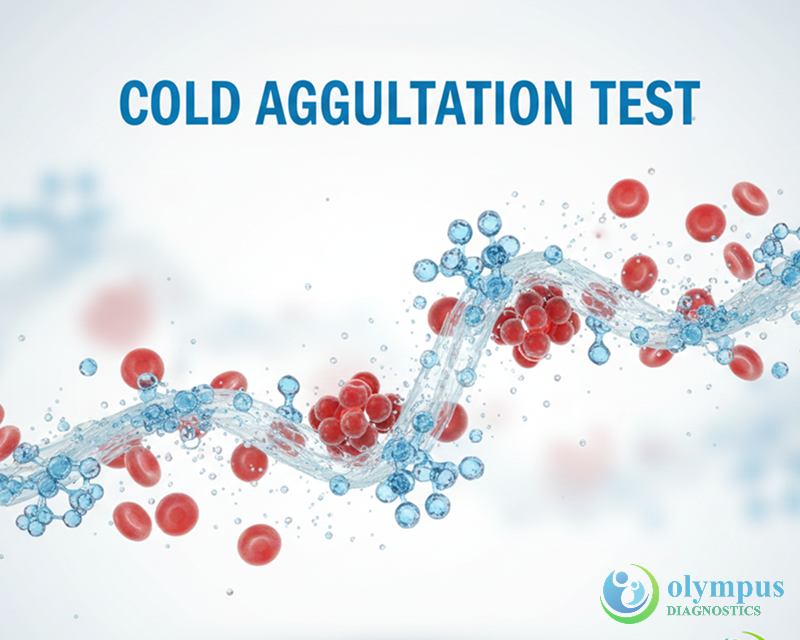
The Cold Agglutination Test detects the presence of cold agglutinins—autoantibodies (usually IgM) that cause red blood cells to clump together at low temperatures. It is used to diagnose cold agglutinin disease (CAD), certain infections, and autoimmune hemolytic anemia.

Sample Type

Blood

Includes

16 Parameters

Report

Within 24 hours

Performed by certified phlebotomists

Cold Agglutination Test Overview

Cold agglutinins are antibodies that bind to red blood cells at temperatures below normal body temperature (typically 0–4°C).

Their presence can lead to hemolysis (destruction of red blood cells).

Clinical uses include:

Diagnosing cold agglutinin disease (CAD), a rare autoimmune hemolytic anemia.

Supporting diagnosis of infections such as Mycoplasma pneumoniae and infectious mononucleosis.

Evaluating unexplained anemia, jaundice, or hemolysis.

The test is performed by mixing patient serum with red blood cells and observing agglutination at cold temperatures.

Analyte: Cold agglutinins (usually IgM autoantibodies) in serum.

Normal Result: Negative (no agglutination at cold temperatures).

Abnormal Findings:

Positive test: Indicates presence of cold agglutinins.

High titers: Associated with cold agglutinin disease, hemolytic anemia, or certain infections.

Clinical Use:

Provides evidence of autoimmune hemolysis triggered by cold exposure.

Helps differentiate causes of anemia and hemolysis.

Guides treatment decisions (e.g., avoiding cold exposure, immunosuppressive therapy).