
244, 1st Main Rd, near Rajkumar, Kasturi Layout, Kaveri Nagar, Basaweshwara Nagar, Bengaluru, Karnataka 560079
08:00 am - 10:00 pm Monday-Saturday
244, 1st Main Rd, near Rajkumar, Kasturi Layout, Kaveri Nagar, Basaweshwara Nagar, Bengaluru, Karnataka 560079
08:00 am - 10:00 pm Monday-Saturday
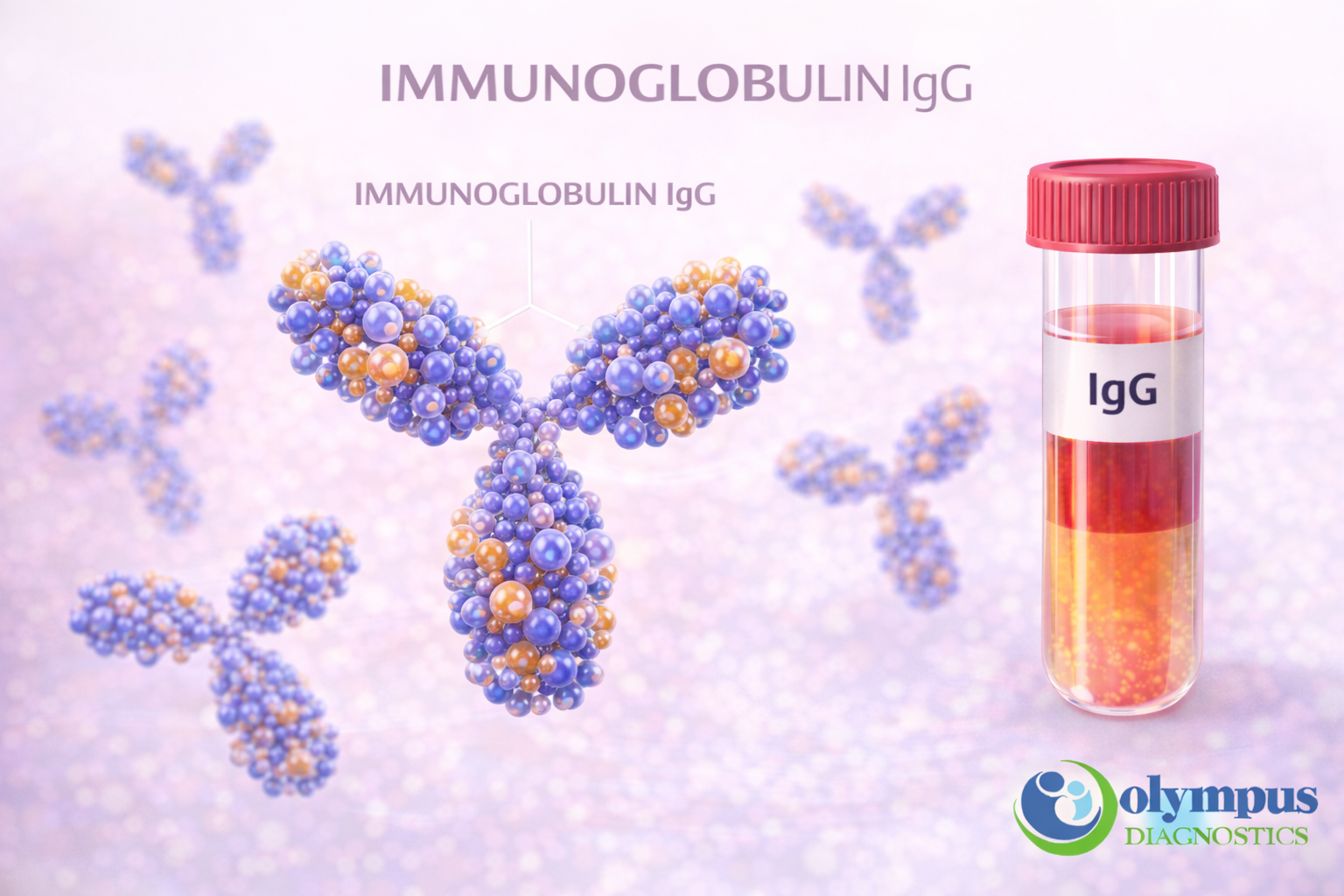
IMMUNOGLOBULIN IgG

Immunoglobulin Igg

₹ 1000 ₹ 900 30% OFF
Booking Assistance Online
Need help? Chat with us on WhatsApp
The Immunoglobulin G (IgG) test measures the level of IgG antibodies in blood. It is used to evaluate immune function, past infections, vaccination response, and certain immune disorders.

Sample Type

Blood

Includes

16 Parameters

Report

Within 24 hours

Performed by certified phlebotomists

Immunoglobulin IgG Test Overview

IgG is the most abundant antibody in the body, making up about 70–80% of total immunoglobulins.

It provides long‑term immunity after infection or vaccination.

Clinical uses include:

Assessing immune system function.

Detecting past exposure to infections (e.g., Hepatitis, Rubella, COVID‑19).

Monitoring response to vaccines.

Diagnosing immunodeficiency disorders.

Supporting evaluation of chronic infections and autoimmune diseases.

Often performed alongside IgA, IgM, and IgE for a complete immunoglobulin profile.

Analyte: Serum IgG concentration (mg/dL).

Normal Range (varies by age and lab):

Adults: ~700–1600 mg/dL

Abnormal Findings:

Low IgG: Suggests immunodeficiency, protein‑losing conditions, or certain genetic disorders.

High IgG: May indicate chronic infections, autoimmune diseases (e.g., rheumatoid arthritis, lupus), or liver disease.

Clinical Use:

Provides a marker of long‑term immunity and immune health.

Helps guide diagnosis and management of immunodeficiency or autoimmune conditions.

Supports evaluation of chronic inflammatory and infectious diseases.