
244, 1st Main Rd, near Rajkumar, Kasturi Layout, Kaveri Nagar, Basaweshwara Nagar, Bengaluru, Karnataka 560079
08:00 am - 10:00 pm Monday-Saturday
244, 1st Main Rd, near Rajkumar, Kasturi Layout, Kaveri Nagar, Basaweshwara Nagar, Bengaluru, Karnataka 560079
08:00 am - 10:00 pm Monday-Saturday
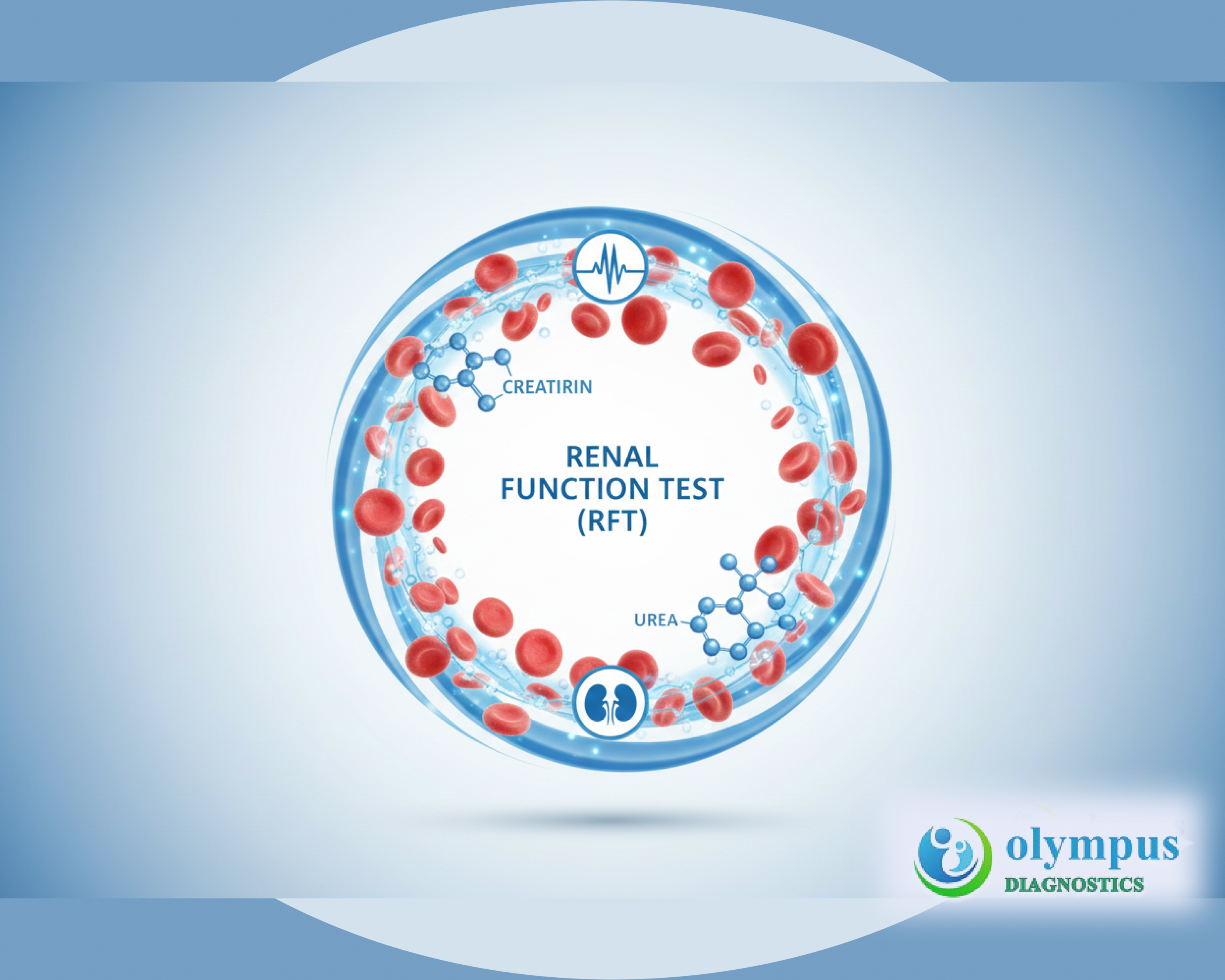
RENAL FUNCTION TEST (RFT)

Renal Function Test (Rft)

₹ 900 ₹ 900 30% OFF
Booking Assistance Online
Need help? Chat with us on WhatsApp
The Renal Function Test (RFT) is a panel of blood and urine tests that evaluate kidney function. It helps diagnose kidney disease, monitor treatment, and assess overall metabolic health.

Sample Type

Blood

Includes

16 Parameters

Report

Within 24 hours

Performed by certified phlebotomists

Renal Function Test (RFT) Overview

The kidneys play a vital role in filtering waste, balancing electrolytes, and maintaining fluid balance.

RFTs measure waste products, electrolytes, and markers of kidney performance.

Clinical uses include:

Diagnosing acute or chronic kidney disease.

Monitoring patients with diabetes, hypertension, or heart disease.

Evaluating electrolyte imbalances and metabolic disorders.

Assessing kidney function before prescribing certain medications.

The test is performed using blood and sometimes urine samples.

Analytes in RFT Panel:

Blood Urea Nitrogen (BUN): Reflects protein metabolism and kidney excretion.

Serum Creatinine: Key marker of kidney filtration efficiency.

Uric Acid: Elevated in kidney dysfunction or gout.

Electrolytes: Sodium, Potassium, Chloride, Bicarbonate – assess fluid and electrolyte balance.

Calcium & Phosphate: Monitored in chronic kidney disease.

Estimated Glomerular Filtration Rate (eGFR): Calculated from creatinine, age, sex, and body size to assess kidney function.

Normal Ranges (approximate, vary by lab):

BUN: 7 – 20 mg/dL

Creatinine: 0.6 – 1.3 mg/dL

Sodium: 135 – 145 mmol/L

Potassium: 3.5 – 5.0 mmol/L

Chloride: 98 – 106 mmol/L

Bicarbonate: 22 – 29 mmol/L

Abnormal Findings:

High BUN/Creatinine: Suggests impaired kidney function.

Electrolyte imbalance: Indicates renal or metabolic disorders.

Clinical Use:

Provides a comprehensive picture of kidney health.

Helps differentiate acute vs. chronic renal disease.

Guides treatment and monitoring in renal and systemic conditions.