
244, 1st Main Rd, near Rajkumar, Kasturi Layout, Kaveri Nagar, Basaweshwara Nagar, Bengaluru, Karnataka 560079
08:00 am - 10:00 pm Monday-Saturday
244, 1st Main Rd, near Rajkumar, Kasturi Layout, Kaveri Nagar, Basaweshwara Nagar, Bengaluru, Karnataka 560079
08:00 am - 10:00 pm Monday-Saturday
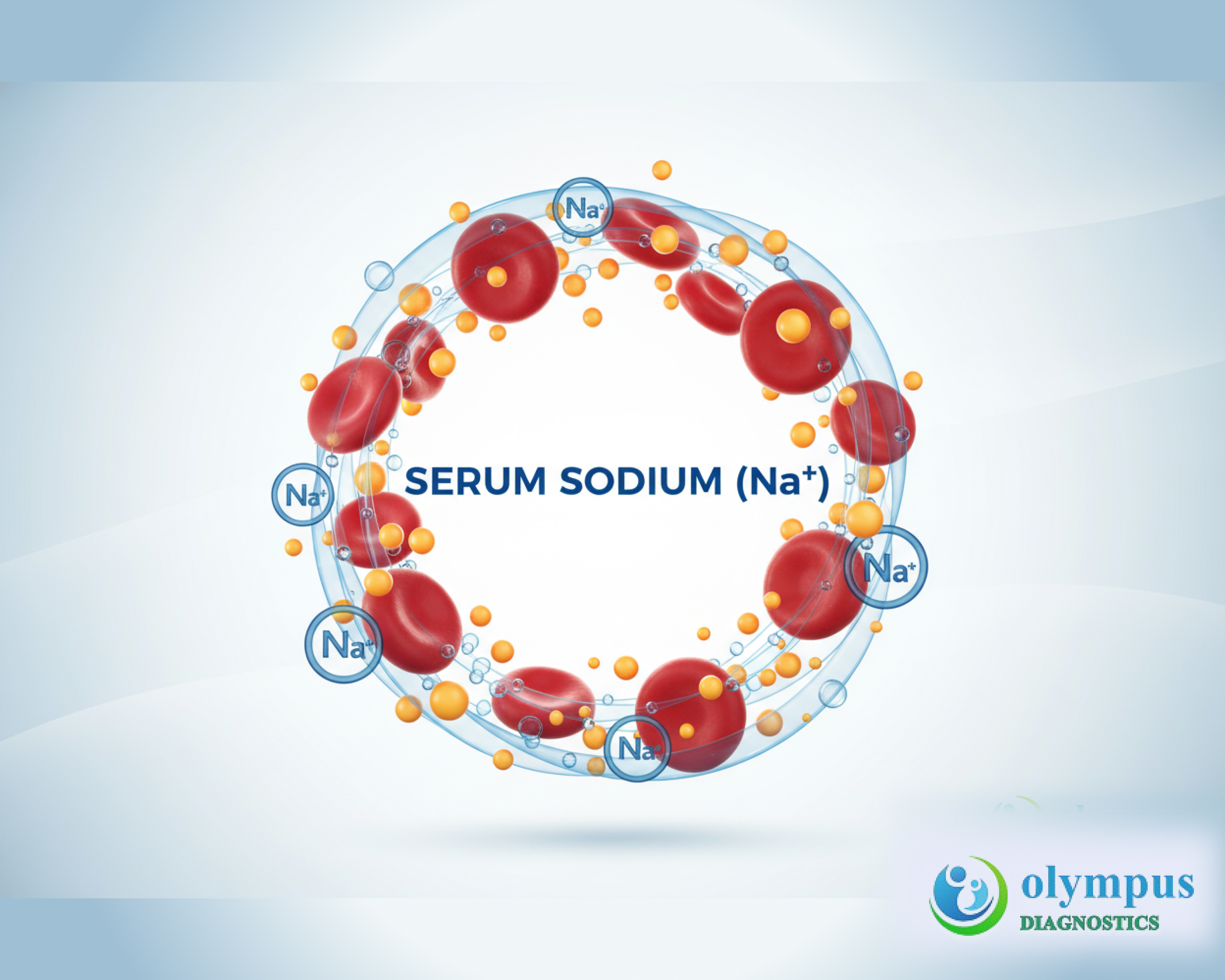
SERUM SODIUM (Na+)

Serum Sodium (Na+)

₹ 200 ₹ 900 30% OFF
Booking Assistance Online
Need help? Chat with us on WhatsApp
The Serum Sodium (Na⁺) test measures the level of sodium in blood. It is used to evaluate fluid balance, electrolyte status, kidney function, and endocrine health.

Sample Type

Blood

Includes

16 Parameters

Report

Within 24 hours

Performed by certified phlebotomists

serum Sodium (Na⁺) Test Overview

Sodium is the major extracellular cation that regulates fluid balance, nerve conduction, and muscle function.

It works closely with chloride and potassium to maintain osmotic pressure and acid–base balance.

Clinical uses include:

Diagnosing electrolyte imbalances (hyponatremia or hypernatremia).

Monitoring patients with kidney disease, heart failure, or liver cirrhosis.

Evaluating causes of dehydration, edema, confusion, or seizures.

Assessing patients on diuretics, IV fluids, or endocrine disorders.

The test is performed using a blood sample, often as part of an electrolyte panel.

Analyte: Serum sodium concentration.

Normal Range: ~135 – 145 mmol/L (varies slightly by lab).

Abnormal Findings:

High sodium (hypernatremia): May indicate dehydration, kidney disease, diabetes insipidus, or excessive salt intake.

Low sodium (hyponatremia): May indicate overhydration, SIADH, heart failure, cirrhosis, or adrenal insufficiency.

Clinical Use:

Provides insight into hydration and electrolyte status.

Helps differentiate causes of abnormal neurological and metabolic symptoms.

Guides treatment in renal, endocrine, and critical care conditions.